
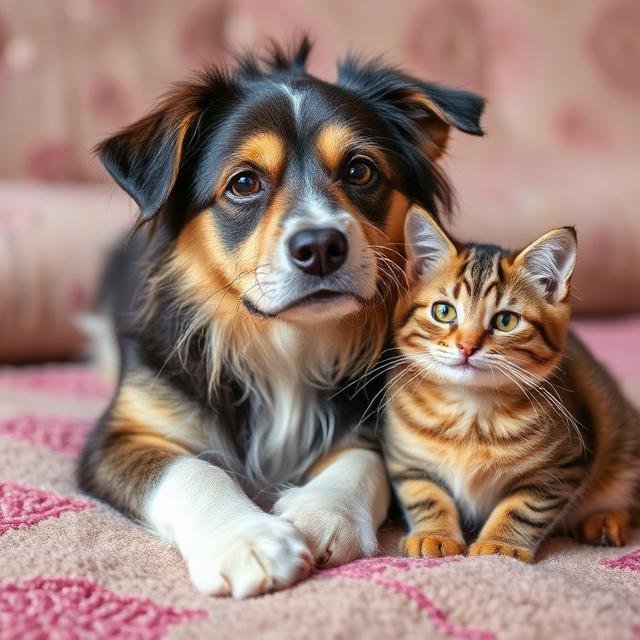
Managing Seasonal Shedding in Dogs & Cats: A Complete Guide
Shedding is a natural process for dogs and cats, but seasonal shedding can sometimes feel overwhelming for pet owners. As the seasons change, many pets shed more heavily, leaving fur on furniture, clothes, and floors. Understanding when and why dogs and cats shed more, how long shedding lasts, and effective ways to manage excess shedding can help keep your home cleaner and your pets more comfortable. In this comprehensive guide, we’ll cover everything you need to know about managing seasonal shedding in dogs and cats.
When Do Dogs & Cats Shed More?
Seasonal shedding typically occurs during spring and fall, coinciding with changes in daylight and temperature. As days get longer and warmer in spring, dogs and cats shed their thick winter coats to prepare for summer. Conversely, in fall, they shed their lighter summer coats to make way for a denser winter coat.
Indoor pets may experience less dramatic shedding changes due to climate control and artificial lighting, but they still follow a natural shedding rhythm. Some breeds are more prone to heavy seasonal shedding, especially those with double coats, such as Huskies, Malamutes, Golden Retrievers, and Maine Coon cats.
How Long Do Dogs Shed For?
The length of shedding varies depending on breed, age, health, and environment. Seasonal shedding in dogs usually lasts from a few weeks up to two months. During this time, you may notice increased fur around your home and more frequent grooming needs.
Dogs with double coats often have a more intense shedding period, as they lose their dense undercoat. Single-coated breeds generally shed less and may not have as pronounced seasonal shedding.
How Long Do Cats Shed For?
Cats also experience seasonal shedding primarily in spring and fall. The shedding period may last several weeks to a couple of months. Like dogs, cats shed their winter coat in spring and their summer coat in fall.
Long-haired cats tend to shed more visibly, and regular grooming becomes especially important during shedding seasons. Indoor cats may shed more evenly throughout the year but still show seasonal increases.
Why Do Dogs and Cats Shed?
Shedding is a natural biological process that helps regulate body temperature and remove old or damaged fur. It also supports skin health by allowing new hair growth. While shedding is normal, excessive shedding can sometimes indicate underlying health issues such as allergies, parasites, nutritional deficiencies, or stress. If your pet’s shedding seems abnormal, consult a veterinarian for proper diagnosis and treatment.
Ways to Manage Excess Shedding
Managing seasonal shedding requires a combination of regular grooming, proper nutrition, and environmental care. Here are effective strategies to help control excess shedding:
- Brush Regularly with the Right Tools
Brushing is the most important step in managing shedding. It helps remove loose fur, reduces hairballs in cats, and prevents mats and tangles. Use brushes and grooming tools designed for your pet’s coat type:
- For Dogs:
Slicker brushes, deshedding tools (like the Furminator), and undercoat rakes are excellent for removing loose hair, especially in double-coated breeds.
- For Cats:
Fine-toothed combs, grooming gloves, and soft bristle brushes work well for both short and long-haired cats.
Brush your pet daily during peak shedding seasons and at least a few times per week year-round to maintain coat health.
- Bathe Your Pet Appropriately
Bathing helps loosen dead fur and can reduce shedding. Use a gentle, pet-safe shampoo and conditioner formulated for your pet’s coat and skin type. Avoid over-bathing, as it can dry out the skin and increase shedding.
- Provide a Balanced, Nutrient-Rich Diet
Proper nutrition supports healthy skin and coat. Diets rich in omega-3 and omega-6 fatty acids, vitamins, and minerals can reduce shedding and improve coat shine. Consult your veterinarian for dietary recommendations or supplements if shedding is excessive or your pet has skin issues.
- Keep Your Home Clean
Regular vacuuming and cleaning reduce the amount of pet hair in your living space. Using lint rollers or pet hair removers on furniture and clothes can help manage shedding around the house.
- Hydration Is Key
Ensure your pet drinks plenty of fresh water. Hydrated skin is less prone to dryness and excessive shedding.
- Regular Vet Checkups
Routine veterinary visits help detect and address any health problems that might contribute to abnormal shedding, such as allergies, parasites, or hormonal imbalances.
- Stress Reduction
Stress can cause shedding in dogs and cats. Provide a calm, stable environment and plenty of exercise and mental stimulation to reduce stress-related shedding.
Additional Tips for Seasonal Shedding Management
- Use De-shedding Tools During Peak Seasons:
Tools like the Furminator are designed to reach the undercoat and remove loose hair efficiently.
- Keep Your Pet Indoors When Possible:
Outdoor cats and dogs may pick up debris that increases shedding and matting.
- Regular Exercise and Grooming Sessions:
Brushing can be a bonding experience and keeps your pet comfortable.
- Use Air Purifiers:
Air purifiers with HEPA filters can reduce airborne pet dander and fur.
Conclusion
Seasonal shedding is a natural and unavoidable part of being a dog or cat owner, but with the right knowledge and routine, it can be effectively managed. Understanding when dogs and cats shed more, how long shedding lasts, and implementing regular grooming with appropriate tools are key steps. Supporting your pet’s nutrition, maintaining hydration, and keeping their environment clean all contribute to a healthy coat and less shedding stress. Listening to your pet’s needs and consulting a veterinarian when shedding seems excessive or unusual will ensure your furry friend stays happy, healthy, and comfortable year-round.
By following these tips and staying proactive during shedding seasons, you can enjoy a cleaner home and a happier pet, no matter the time of year.