How to Help Your Dog Lose Weight: A Comprehensive Guide
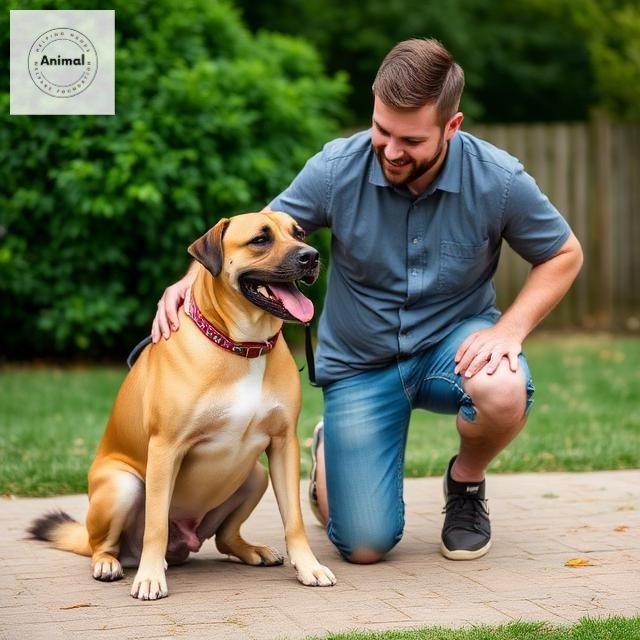
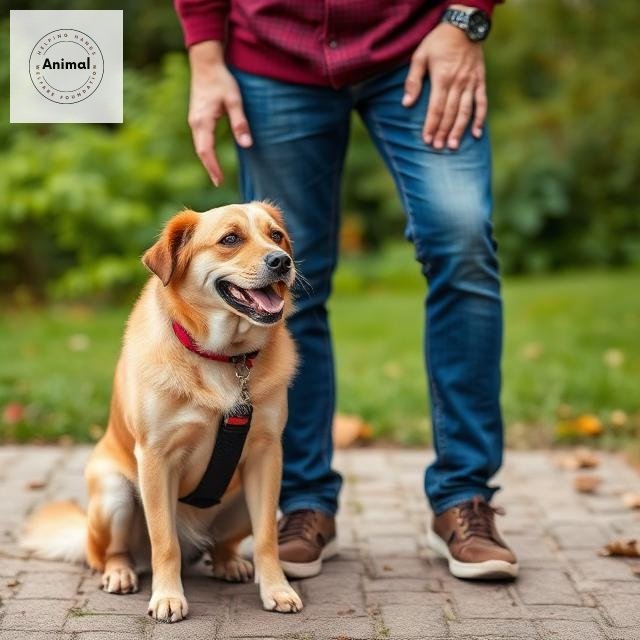
Maintaining a healthy weight is crucial for your dog’s overall well-being and longevity. Just like humans, dogs who are overweight or obese face increased risks of health issues such as diabetes, arthritis, heart disease, and decreased mobility. Helping your dog lose weight safely and effectively requires a combination of proper diet, exercise, and lifestyle adjustments. In this comprehensive guide, we’ll walk you through practical steps to support your dog’s weight loss journey and improve their quality of life.
Understanding the Risks of Canine Obesity
Obesity in dogs is a growing concern globally. Excess body fat puts strain on your dog’s joints, cardiovascular system, and organs. Overweight dogs may experience reduced stamina, difficulty breathing, and an increased likelihood of developing metabolic disorders. Additionally, carrying extra weight can shorten your dog’s lifespan and impact their happiness and mobility.
Recognizing the importance of weight management is the first step toward helping your dog live a healthier and more active life.
Assessing Your Dog’s Weight and Health
Before starting any weight loss plan, it’s essential to assess your dog’s current condition. Consult your veterinarian for a thorough examination and discussion about your dog’s ideal weight, body condition score (BCS), and any underlying health issues. Your vet can help rule out medical conditions such as hypothyroidism or Cushing’s disease that may contribute to weight gain.
Regular weigh-ins and monitoring progress with your vet will ensure your dog’s weight loss is safe and steady.
Adjusting Your Dog’s Diet
Choose a Balanced, Low-Calorie Diet
Feeding your dog a nutritionally balanced diet designed for weight management is critical. Many commercial dog foods are formulated specifically for weight control; these options typically have fewer calories, higher fiber, and adequate protein to preserve muscle mass during weight loss.
Consult your veterinarian to select a diet appropriate for your dog’s age, breed, and health status. Avoid fad diets or homemade plans without professional guidance, as these can lead to nutrient imbalances.
Control Portion Sizes
Overfeeding is a common cause of weight gain. Measure your dog’s food carefully using a measuring cup or scale and follow your vet’s recommended daily caloric intake. Avoid free-feeding (leaving food out all day) and establish regular meal times.
Limit Treats and Snacks
Treats can add significant calories to your dog’s diet. Choose low-calorie, healthy treats and limit their quantity. Use treats primarily for training or rewarding good behavior, and consider alternatives like small pieces of carrots or apple (without seeds).
Avoid Human Food
Human foods, especially those high in fat, sugar, or salt, can contribute to weight gain and cause digestive upset or toxicity. Keep table scraps and junk food out of reach.
Increase Physical Activity
Regular Exercise Is Key
Exercise helps burn calories, build muscle, and improve cardiovascular health. Aim for daily physical activity tailored to your dog’s age, breed, and fitness level. Activities can include walks, playtime, swimming, fetch, or agility training.
Start Slowly and Progress Gradually
If your dog is overweight or out of shape, begin with short, gentle walks and gradually increase duration and intensity. Monitor your dog for signs of fatigue, discomfort, or pain, and adjust accordingly.
Make Exercise Fun
Incorporate games and interactive toys to keep your dog mentally and physically engaged. Puzzle feeders and treat-dispensing toys can also promote activity while stimulating your dog’s mind.
Monitor Progress and Stay Consistent
Weight loss in dogs should be gradual – ideally about 1-2% of body weight per week. Rapid weight loss can lead to health complications. Keep a journal to track your dog’s weight, diet, exercise, and any behavioral changes.
Regular vet check-ups are vital to assess progress and make adjustments as needed. Celebrate small milestones and stay committed to your dog’s health goals.
Additional Tips for Successful Weight Loss
- Use Food Dispensing Toys:
These can slow down eating and add mental stimulation.
- Weigh Food, Not Just Measure:
Measuring cups can be inaccurate; use a kitchen scale for precise portions.
- Involve the Whole Family:
Ensure all household members follow the feeding and exercise rules to avoid overfeeding.
- Maintain Hydration:
Fresh water supports metabolism and overall health.
- Be Patient and Positive:
Weight loss takes time, and maintaining a positive attitude helps you and your dog stay motivated.
When to Seek Professional Help
If your dog struggles to lose weight despite your efforts, or if they have underlying medical conditions, consult your veterinarian or a veterinary nutritionist. They can create a customized weight loss plan, including medical-grade diets, supplements, or supervised exercise programs.
In some cases, obesity can be linked to behavioral issues such as boredom or anxiety. Working with a professional trainer or behaviorist may be beneficial.
Conclusion
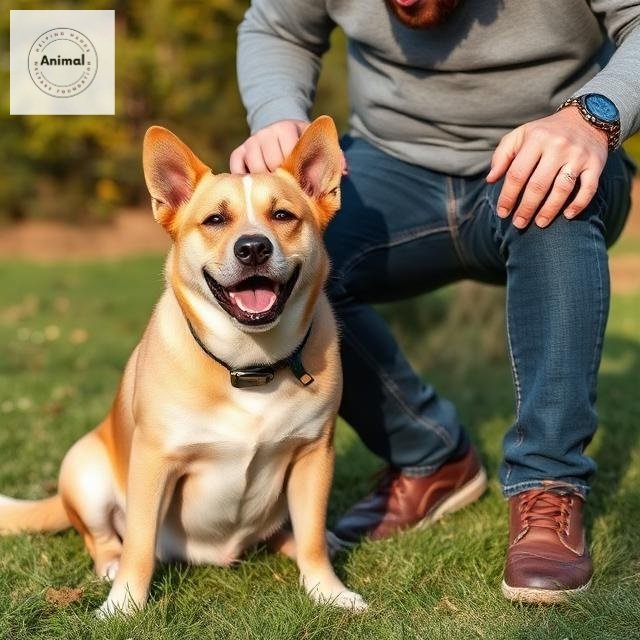
Helping your dog lose weight is one of the best gifts you can give them for a longer, healthier life. By combining a balanced, portion-controlled diet with regular, enjoyable exercise, you can safely guide your dog toward a healthier weight. Consistency, patience, and veterinary support are key components of a successful weight loss journey. Remember, every dog is unique, so tailor your approach to meet your dog’s individual needs and celebrate the positive changes along the way.
Start today to improve your dog’s health, happiness, and quality of life through thoughtful weight management.
#helpinghandsanimalwelfarefoundation #Dogs #Cats #veterinary