How To Get Rid Of Ticks & Fleas in Dogs: A Comprehensive Guide
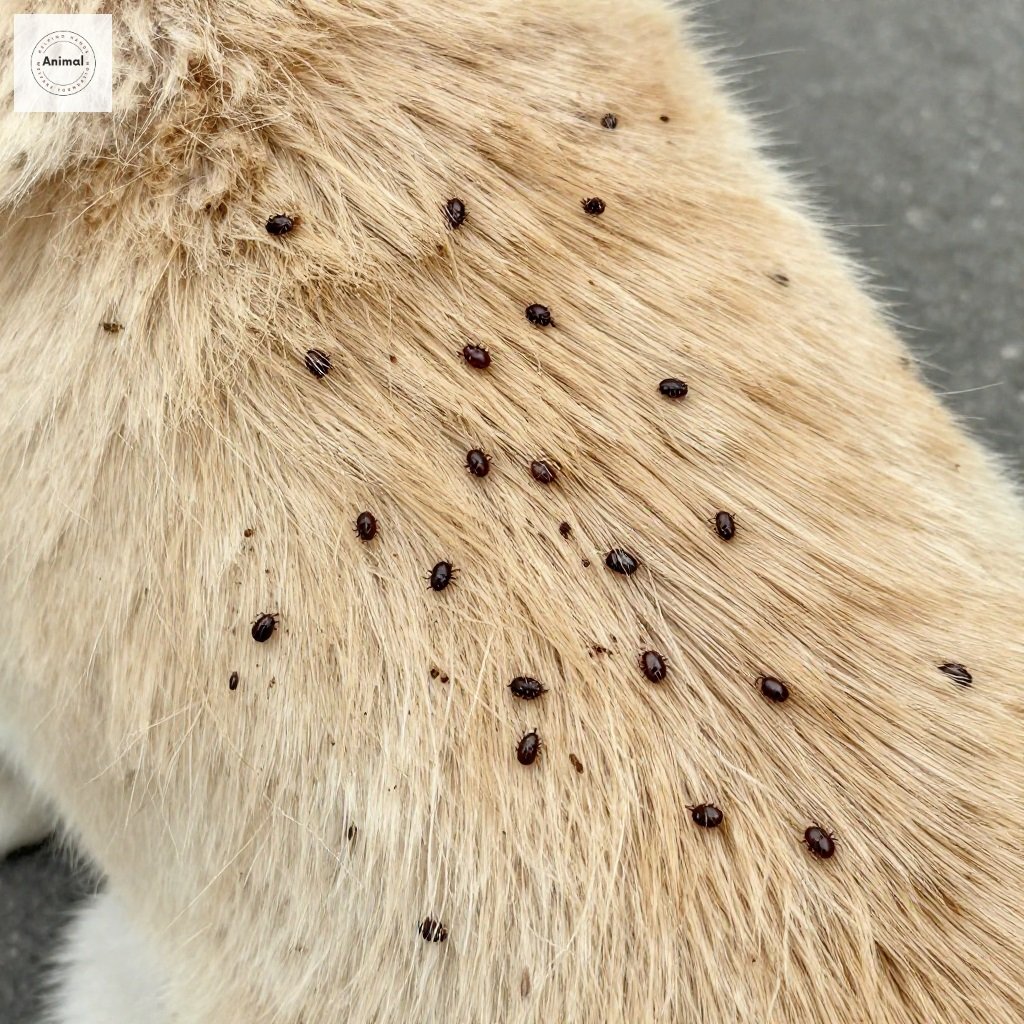
Ticks and fleas are among the most common pests that affect dogs worldwide. These tiny parasites not only cause discomfort, itching, and irritation but can also transmit serious diseases. As a responsible pet owner, it’s essential to understand how to identify, treat, and prevent tick and flea infestations to protect your dog’s health and well-being. In this comprehensive guide, we’ll explore effective methods to get rid of ticks and fleas in dogs, including treatment options, prevention strategies, and tips for maintaining a pest-free environment.
Why Are Ticks and Fleas a Concern for Dogs?
Both ticks and fleas are external parasites that feed on your dog’s blood, leading to various health issues:
- Fleas
cause itching, allergic reactions, and can transmit tapeworms and bacterial infections.
- Ticks
can transmit serious diseases such as Lyme disease, ehrlichiosis, and Rocky Mountain spotted fever.
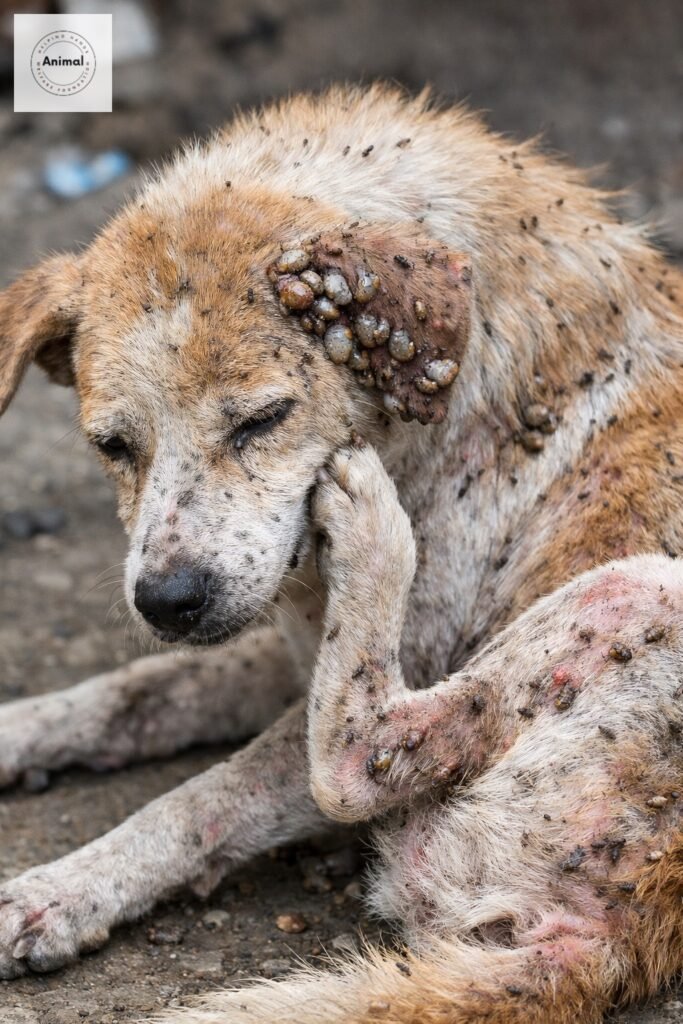
Infestations can lead to excessive scratching, hair loss, skin infections, anemia, and in severe cases, systemic illness. Early detection and treatment are crucial to prevent complications.
Signs of Ticks and Fleas on Your Dog
Knowing the signs of tick and flea infestations helps you act promptly:
- Excessive scratching, biting, or licking
- Red, inflamed, or irritated skin
- Hair loss or bald patches
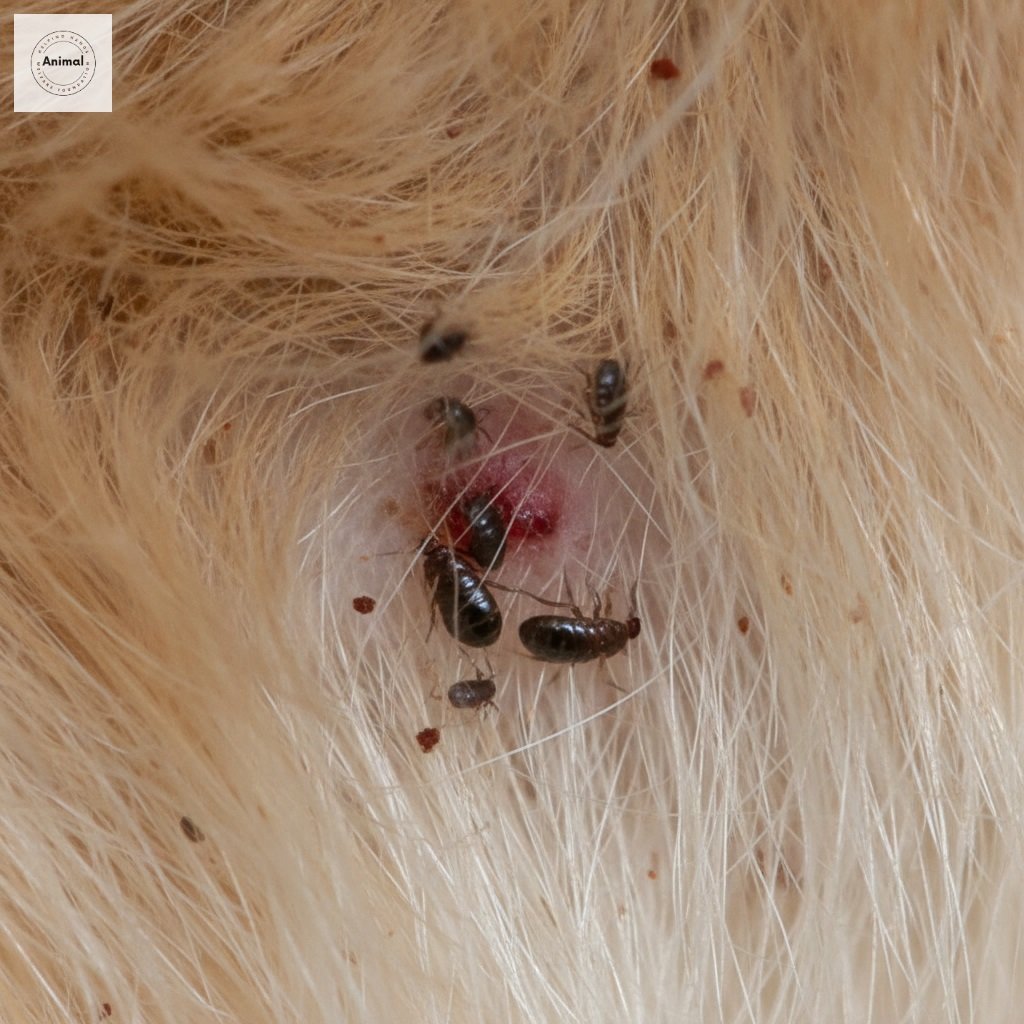
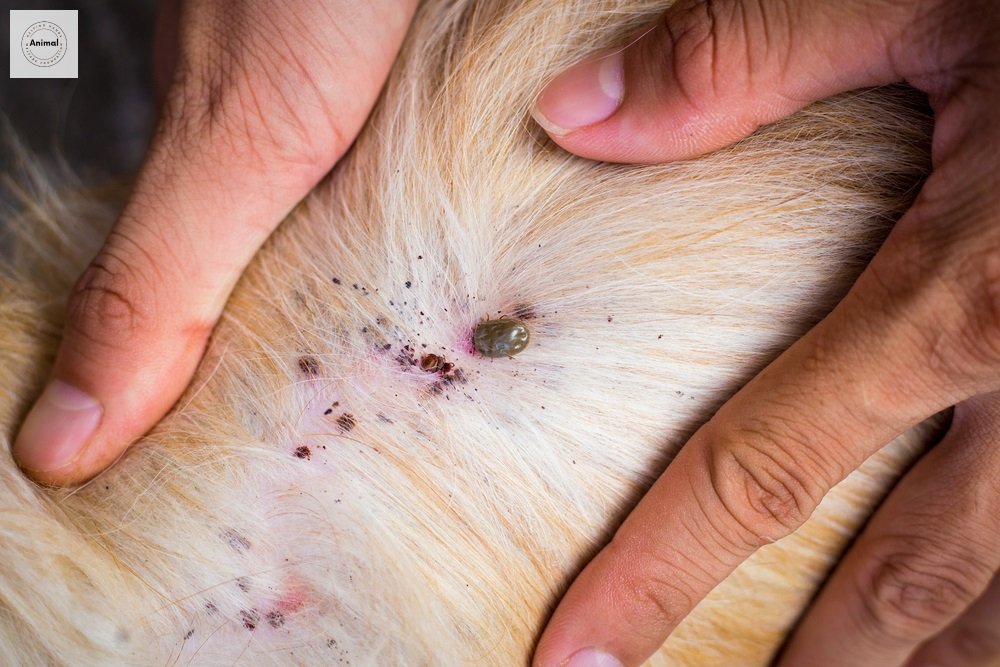
- Presence of small black specks (flea dirt) on the skin or in the fur
- Visible ticks attached to the skin, often around ears, neck, and paws
- Restlessness or discomfort
How to Get Rid of Fleas on Dogs
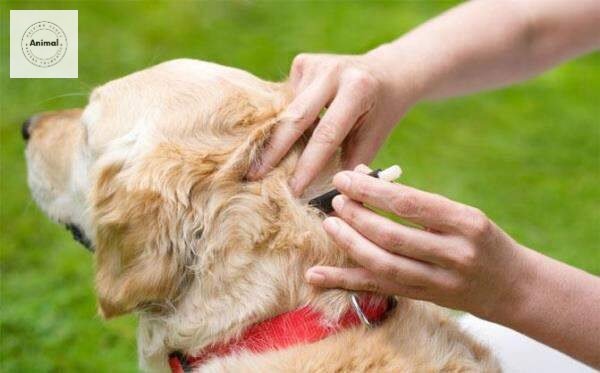
- Use Flea Treatment Products
There are various flea control products available, including:
- Topical Treatments:
Applied monthly to the skin, these spot-on treatments kill fleas and prevent infestations. Brands like Frontline, Advantage, and Revolution are popular choices.
- Oral Medications:
Prescription or over-the-counter pills that kill fleas quickly. These often require a vet’s consultation.
- Flea Collars:
Modern flea collars offer long-lasting protection by releasing insecticides that repel and kill fleas.
- Flea Shampoos:
Provide immediate relief by killing fleas on contact but don’t offer long-term protection.
Always follow product instructions and consult your veterinarian to choose the safest and most effective option for your dog’s age, size, and health status.
- Treat Your Home
Fleas can infest your home, so treating your dog alone won’t be enough. Take these steps:
- Vacuum carpets, rugs, upholstery, and pet bedding thoroughly and frequently.
- Wash pet bedding, blankets, and soft toys in hot water regularly.
- Consider using household flea sprays or foggers designed to kill fleas and larvae in the environment—follow safety guidelines carefully.
- Maintain Regular Prevention
Consistent use of flea preventatives year-round is the best way to keep fleas away. Even in colder months, some fleas can survive indoors.
How to Get Rid of Ticks on Dogs
- Check Your Dog Regularly
After walks, especially in wooded or grassy areas, check your dog thoroughly for ticks. Pay attention to areas like behind ears, under collars, between toes, and around the tail.
- Remove Ticks Carefully
If you find a tick, remove it promptly and properly to reduce the risk of disease transmission:
- Use fine-tipped tweezers or a specialized tick removal tool.
- Grasp the tick as close to the skin’s surface as possible.
- Pull upward with steady, even pressure—avoid twisting or crushing the tick.
- Clean the bite area and your hands with antiseptic after removal.
- Dispose of the tick by placing it in alcohol or flushing it down the toilet.
- Use Tick Preventative Products
Similar to flea control, various products protect your dog from ticks:
- Spot-On Treatments:
Kill ticks on contact and prevent infestations.
- Tick Collars:
Repel and kill ticks over an extended period.
- Oral Medications:
Provide systemic protection against ticks.
Consult your veterinarian to select appropriate tick prevention based on your location, dog’s lifestyle, and any existing health concerns.
Natural and Home Remedies: Do They Work?
Some pet owners seek natural or homemade remedies for flea and tick control, such as apple cider vinegar, essential oils, or herbal sprays. While some of these may offer mild repellant effects, they are generally not as effective or reliable as veterinary-approved products. Essential oils, in particular, can be toxic to dogs if not used correctly. Always consult your vet before trying alternative treatments.
Tips for Preventing Future Flea and Tick Infestations
- Maintain Regular Grooming:
Frequent brushing and bathing can help spot and remove fleas and ticks early.
- Keep Your Yard Clean:
Regularly mow lawns, trim bushes, and remove leaf litter to reduce tick habitats.
- Limit Exposure:
Avoid high-risk areas like tall grasses and dense woods during peak tick seasons.
- Use Preventative Products Year-Round:
Consistent protection is key, especially in warmer climates.
- Monitor Other Pets:
Treat all pets in your household to prevent cross-infestation.
When to See a Veterinarian
If your dog shows signs of illness such as lethargy, fever, loss of appetite, limping, or swollen joints after exposure to ticks or fleas, seek veterinary care immediately. Some tick-borne diseases require prompt diagnosis and treatment to prevent serious complications.
Also, consult your vet if you’re unsure about the best treatment options, if your dog has health conditions, or if infestations persist despite treatment.
Conclusion
Ticks and fleas are more than just nuisances—they pose real health risks to your dog and your household. Effective management involves timely detection, proper removal, veterinary-approved treatment, and consistent prevention measures. By staying vigilant and proactive, you can protect your furry friend from these parasites and ensure they enjoy a happy, healthy life.
Remember, the best approach combines treating your dog and the environment, using safe and effective products, and working closely with your veterinarian for the most suitable plan tailored to your dog’s needs.
#HelpingHandsAnimalWelfare #AnimalWelfare #AnimalRescue #VoicelessAnimals #AnimalNGO #AnimalCare #SaveAnimals #AnimalLovers #KindnessToAnimals #DogCare #DogRescue #StreetDogs #StrayDogs #DogLovers #FeedStreetDogs #DogAdoption #DogsOfIndia #RescueDogs #BeKindToDogs #CatCare #CatRescue #StrayCats #StreetCats #CatLovers #FeedStrayCats #CatAdoption #CatsOfIndia #RescueCats #BeKindToCats #MumbaiAnimals #MumbaiAnimalRescue #IndiaAnimalRescue #AnimalWelfareIndia #MumbaiNGO #SupportAnimalRescue