What Vegetables Can Dogs Eat?
When it comes to the diet of our canine companions, many pet owners wonder about incorporating vegetables as a healthy supplement. Vegetables can be an excellent source of vitamins, minerals, and fiber for dogs, provided they are safe and given in moderation. Understanding which vegetables are safe and beneficial helps ensure that your dog enjoys a balanced diet without risking any adverse effects.
Why Add Vegetables to Your Dog’s Diet?
Dogs are primarily carnivores but are also classified as omnivores, meaning they can digest and benefit from certain plant-based foods. Vegetables complement their diet by adding essential nutrients such as antioxidants, fiber, and vitamins A, C, and K. Fiber, for instance, supports digestive health and can help regulate bowel movements. However, it’s important to introduce vegetables carefully and avoid those that could be toxic or difficult to digest.
Safe Vegetables for Dogs
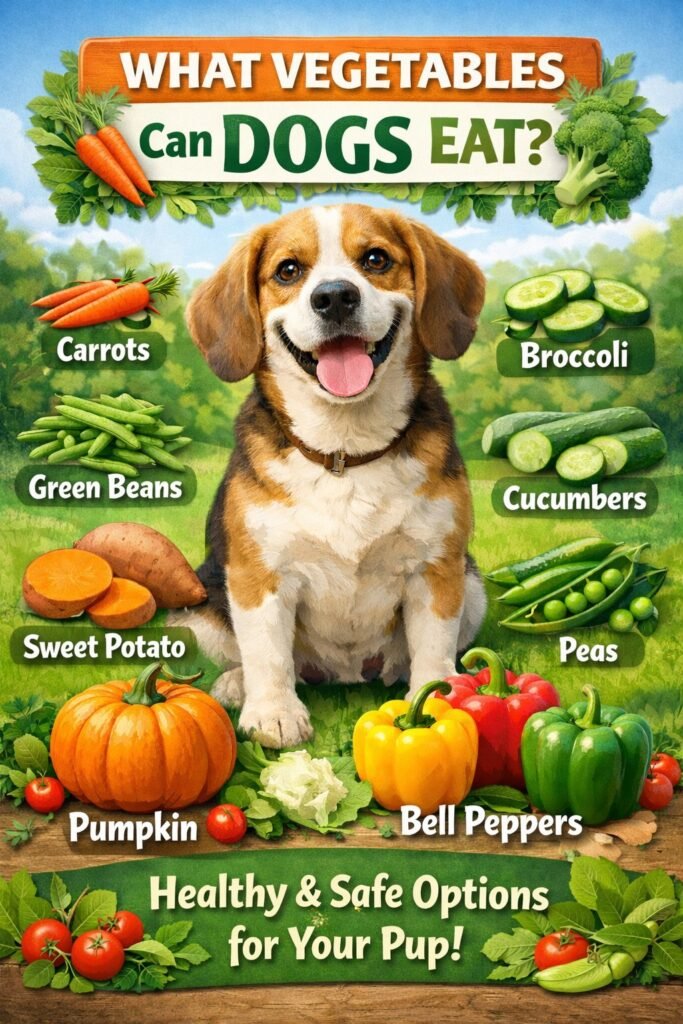
Many vegetables are safe for dogs and can be served cooked, raw, or steamed. Here are some of the most popular and nutritious options:
- Carrots:
Low in calories and rich in beta-carotene, carrots are great for eye health and can be served raw as crunchy treats or cooked for easier digestion.
- Green Beans:
Packed with vitamins and fiber, green beans can be given steamed or raw. They are low in calories, making them ideal for dogs needing weight management.
- Sweet Potatoes:
A rich source of fiber, vitamins B6 and C, and beta-carotene, sweet potatoes should be cooked before serving to avoid digestive upset.
- Peas:
Including garden peas, snow peas, and snap peas, these are rich in vitamins and minerals. They can be mixed into meals or served as treats.
- Broccoli:
Contains antioxidants and fiber but should be given in small amounts to avoid potential gas or stomach upset.
- Cucumber:
A hydrating, low-calorie snack that many dogs enjoy for its crisp texture.
- Spinach:
Rich in iron and vitamins; however, it should be fed sparingly due to its oxalate content which in large amounts could interfere with calcium absorption.
Vegetables to Avoid
While many vegetables benefit dogs, some are toxic or harmful and must be strictly avoided:
- Onions and Garlic:
Both contain compounds that can damage dogs’ red blood cells and cause anemia.
- Chives and Leeks:
Similar to onions and garlic, these can be toxic and should never be fed to dogs.
- Raw Potatoes:
Contain solanine, which is toxic; cooked potatoes are safe but raw ones are not.
- Rhubarb:
Contains oxalates that can negatively affect the digestive system and kidneys.
How to Introduce Vegetables to Your Dog’s Diet
When adding vegetables, start with small quantities to monitor your dog’s tolerance. Some dogs may have sensitive stomachs and experience gas or diarrhea if introduced too quickly. Cooking vegetables can make them easier to digest and enhance nutrient availability, but some dogs enjoy raw vegetables for their crunch and texture. Avoid seasoning or adding salt, oils, or spices. Always wash vegetables thoroughly to remove pesticides or dirt.
Conclusion
Vegetables can be a nutritious and tasty addition to your dog’s diet when chosen carefully. Carrots, green beans, sweet potatoes, peas, and other safe veggies provide essential nutrients that support overall health. Avoid harmful vegetables like onions, garlic, and raw potatoes to keep your dog safe. With thoughtful introduction and moderation, vegetables can enhance your pet’s meals, contributing to a balanced and wholesome diet that supports their well-being.