Tips for Traveling With Pets
Traveling with pets can be a rewarding experience, allowing you to bring your furry friends along on your adventures and avoid the stress of leaving them behind. However, it also requires careful planning and consideration to ensure their comfort, safety, and well-being throughout the journey. Whether you’re traveling by car, plane, train, or other means, here are essential tips to help make traveling with your pet smooth and enjoyable.
- Prepare Your Pet Before the Trip
Start by getting your pet accustomed to travel-related activities. If your pet isn’t used to a carrier or crate, introduce it gradually at home with positive reinforcement. Allow your pet to explore the carrier, associate it with treats, and take short practice trips in the car to reduce anxiety. Additionally, ensure your pet is up to date on vaccinations and health checks, as some destinations and transportation methods require health certificates.
- Choose the Right Travel Gear
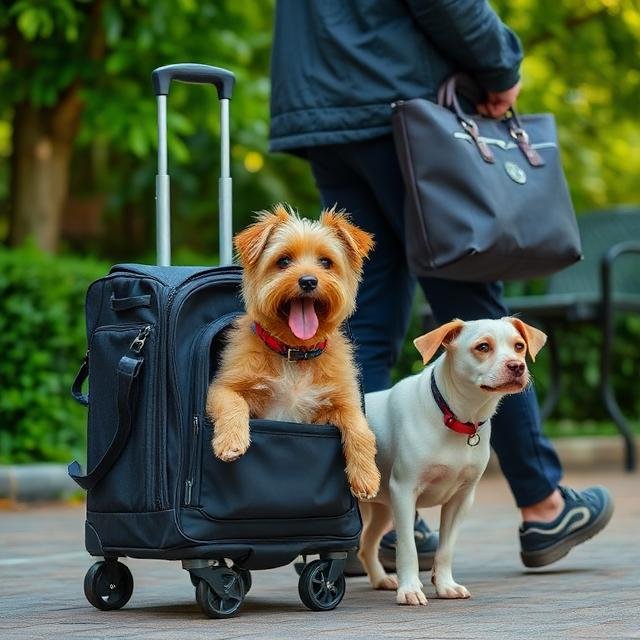
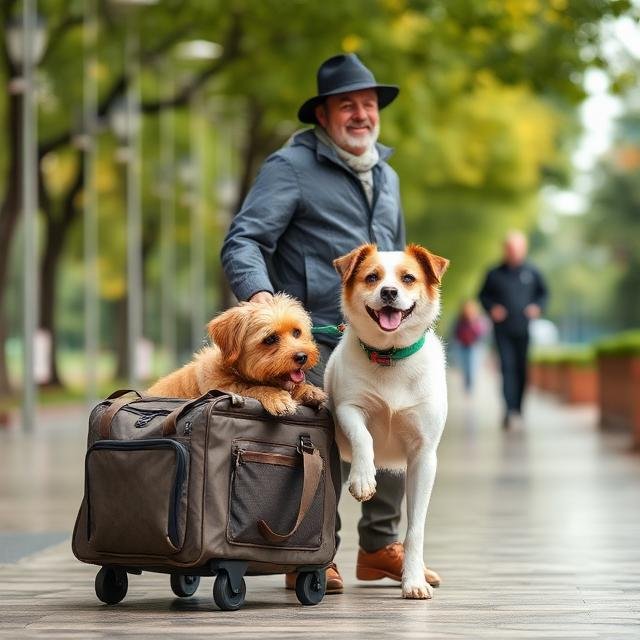
Select appropriate travel gear based on your mode of travel. A well-ventilated, secure carrier or crate that’s the right size for your pet is crucial for safety and comfort. For car travel, consider pet seat belts or harnesses that keep your pet restrained but comfortable. Pack essentials such as food, water, bowls, leash, waste bags, grooming supplies, and any medications your pet needs. Familiar items like a favorite blanket or toy can also provide comfort.
- Plan for Frequent Breaks
When traveling by car or road, plan to stop every two to three hours to allow your pet time to stretch, relieve themselves, and have water. Exercise during breaks can help reduce stress and restlessness. Never leave your pet unattended in a parked vehicle, especially in warm weather, as temperatures can quickly become dangerous.
- Keep Your Pet Calm and Comfortable
Maintain a calm environment during travel. Speak softly to your pet and avoid sudden movements or loud noises. If your pet suffers from anxiety, consult a veterinarian about possible calming aids or behavioral strategies. Avoid feeding your pet a large meal right before traveling to minimize motion sickness risks, but keep water available to stay hydrated.
- Know the Rules and Regulations
Each mode of transportation and destination may have specific rules about traveling with pets. Airlines often have size and weight restrictions, carrier requirements, and documentation needed for pets traveling in the cabin or cargo hold. Train and bus companies may also have their own policies. Research in advance to ensure compliance, book pet-friendly accommodations, and understand any quarantine or health requirements.
- Identification and Safety Measures
Make sure your pet has proper identification, including a collar with an ID tag that has your contact information. Microchipping your pet is highly recommended as a permanent identification method. In case your pet gets lost during travel, these measures increase the chances of a safe return.
- Consider Your Pet’s Health and Comfort
Be mindful of your pet’s health conditions, age, and temperament when deciding to travel. Very young, elderly, or ill pets may require special care or might not be suited for long trips. Consult your veterinarian before traveling, especially if crossing time zones or climates, to address any health concerns or necessary vaccinations.
- Prepare for Emergencies
Carry a basic pet first aid kit and know the location of veterinary clinics along your route and at your destination. Having emergency contacts and medical records handy can be invaluable. In case of an emergency, prompt care can make a significant difference.
- Be Patient and Flexible
Traveling with pets may sometimes involve unexpected delays or challenges. Staying patient and flexible will help you manage situations calmly and ensure a positive experience for both you and your pet.
Conclusion
Traveling with pets requires thoughtful preparation, attention to their needs, and adherence to safety measures. By preparing your pet ahead of time, choosing the right gear, planning breaks, and understanding regulations, you can ensure a comfortable and safe trip. Remember that each pet is unique, so tailor your travel plans accordingly to make the journey enjoyable for your beloved companion. With proper care and consideration, traveling with your pet can be a memorable and rewarding experience for both of you.
#PetTravelTips #TravelWithPets #PetSafety #AnimalWelfare #HelpingHandsAnimalWelfareFoundation #ResponsiblePetParenting