How Often Should You Clean Your Dog’s Teeth? A Complete Dental Care Schedule
Dental health is a crucial aspect of your dog’s overall well-being, yet it is often overlooked by many pet owners. Just like humans, dogs require regular dental care to prevent oral diseases, bad breath, and painful conditions that can affect their quality of life. But how often should you clean your dog’s teeth, and what does a comprehensive dental care schedule look like? This article provides a detailed guide to keeping your dog’s teeth healthy and strong throughout their life.
Why Is Dental Care Important for Dogs?
Dental problems are one of the most common health issues in dogs. Plaque buildup on teeth can harden into tartar, leading to gum inflammation (gingivitis) and periodontal disease. If left untreated, these problems can cause tooth loss and even affect internal organs such as the heart and kidneys due to bacteria entering the bloodstream. Regular dental care not only prevents these issues but also helps maintain fresh breath and comfortable chewing.
How Often Should You Clean Your Dog’s Teeth?
Daily Brushing: The Gold Standard
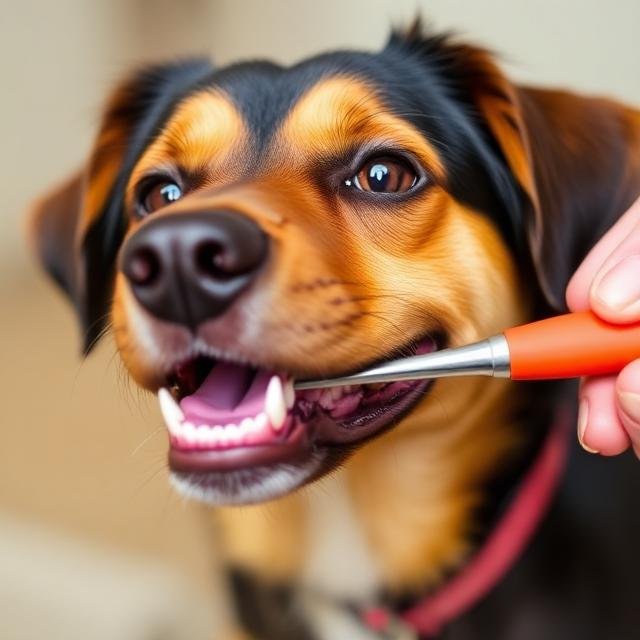
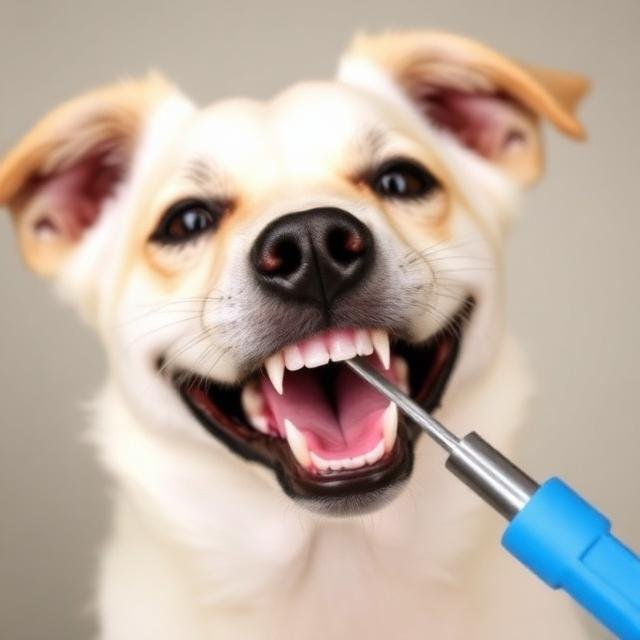
Veterinarians recommend brushing your dog’s teeth daily, or at least several times a week, to effectively remove plaque before it hardens into tartar. Daily brushing is the best way to maintain oral hygiene and prevent dental diseases. Using a dog-specific toothbrush and toothpaste, gently brush your dog’s teeth, focusing on the gum line and back molars where plaque tends to accumulate. Human toothpaste should never be used as it contains ingredients harmful to dogs.
Professional Dental Cleaning: Annually or as Recommended
In addition to at-home care, most dogs benefit from professional dental cleaning performed by a veterinarian once a year. This procedure involves scaling and polishing under anesthesia to remove tartar buildup that brushing alone cannot eliminate. Some dogs, especially older ones or those prone to dental issues, may require more frequent cleanings as advised by the vet.
Regular Dental Check-ups
Schedule dental check-ups during your dog’s routine veterinary visits, usually every six months to a year. This allows the vet to monitor oral health, detect early signs of problems, and recommend appropriate interventions. Early detection of issues like broken teeth, infections, or tumors can prevent more serious complications.
Additional Dental Care Practices
Dental Chews and Toys
Dental chews and specially designed toys help reduce plaque and tartar through mechanical action and promote jaw exercise. Choose products approved by veterinary dental organizations and avoid those that are too hard, which can cause tooth fractures.
Diet and Nutrition
Certain diets formulated for dental health can support plaque control. These foods often have a texture that helps clean teeth as the dog chews. Consult your veterinarian for recommendations tailored to your dog’s needs.
Water Additives and Oral Rinses
Water additives and oral rinses can complement brushing by reducing bacteria and freshening breath. Ensure any product used is safe and specifically formulated for dogs.
Signs Your Dog’s Teeth Need Attention
Be alert to symptoms indicating dental problems, such as bad breath, red or swollen gums, difficulty eating, excessive drooling, pawing at the mouth, or loose teeth. If you notice any of these signs, consult your veterinarian promptly.
Tips for Making Tooth Brushing Easier
- Start early by introducing your dog to tooth brushing gradually.
- Use positive reinforcement with treats and praise to create a pleasant experience.
- Choose the right toothbrush size and pet-friendly toothpaste.
- Be patient and gentle, keeping sessions short initially and increasing duration over time.
Conclusion
Maintaining your dog’s dental health requires a consistent and comprehensive approach. Daily brushing, regular veterinary check-ups, and professional cleanings constitute the core of an effective dental care schedule. Supplementing these with dental chews, appropriate diet, and oral hygiene products can further enhance your dog’s oral health. By prioritizing dental care, you not only improve your dog’s quality of life but also prevent costly treatments and serious health issues down the road. Start today to ensure your dog’s smile stays bright and healthy for years to come.