How Do I Help My Cat With Fear & Anxiety? A Comprehensive Guide
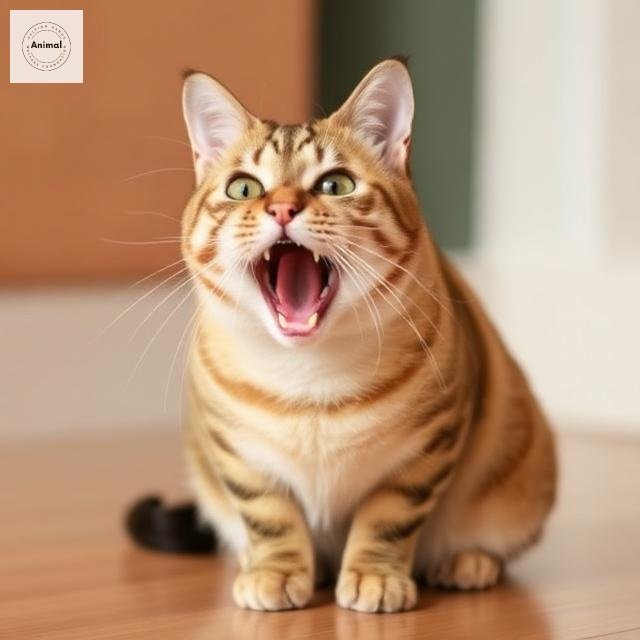
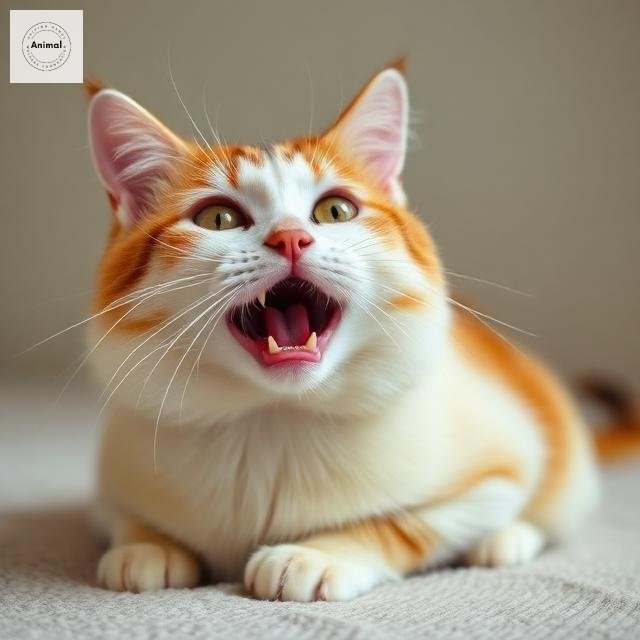
Cats are known for their independent nature, but like humans, they can experience fear and anxiety. These emotions can arise from various sources such as loud noises, unfamiliar environments, changes in routine, new people or animals, or even underlying medical issues. As a loving cat owner, recognizing and addressing your cat’s fear and anxiety is essential to ensure their well-being and happiness. This detailed guide explores the causes of feline fear and anxiety, signs to watch for, and effective strategies you can use to help your cat feel safe, calm, and secure.
Understanding Fear and Anxiety in Cats
Fear is an immediate emotional response to a perceived threat, while anxiety is a prolonged state of worry or unease, often without a clear or immediate cause. Both fear and anxiety can manifest in cats in similar ways and can significantly affect their behavior and health. Understanding these feelings in cats helps you respond appropriately and provide the necessary support.
Common Causes of Fear and Anxiety in Cats
- Sudden Loud Noises:
Fireworks, thunderstorms, vacuum cleaners, or construction sounds can trigger intense fear.
- Changes in Environment:
Moving homes, renovations, new furniture, or rearranged rooms disrupt a cat’s sense of security.
- New People or Pets:
Introduction of strangers, visitors, or other animals can cause stress and territorial anxiety.
- Separation:
Cats can experience separation anxiety when left alone for extended periods.
- Past Trauma or Abuse:
Cats with a history of neglect or abuse may develop chronic anxiety or phobias.
- Medical Issues:
Pain, illness, or neurological conditions can contribute to anxiety-like behavior.
Signs Your Cat May Be Fearful or Anxious
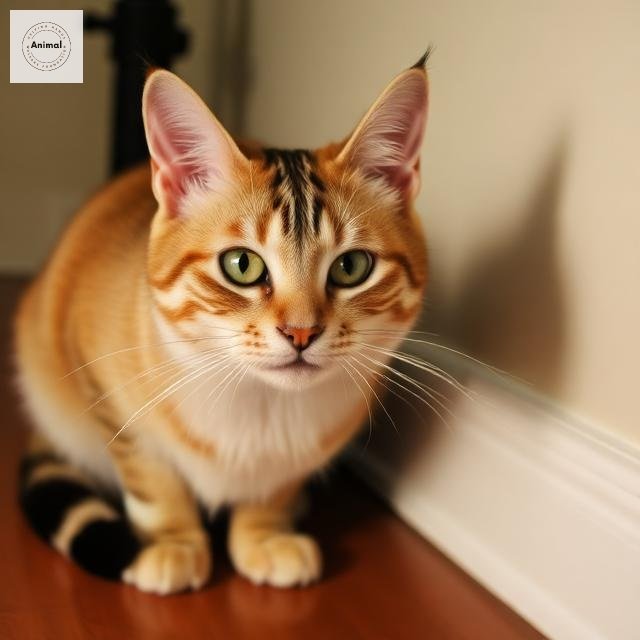
Recognizing signs of fear and anxiety is the first step toward helping your cat. Common signs include:
- Hiding or avoiding interaction
- Excessive grooming or hair loss
- Reduced appetite or changes in eating habits
- Agitation, pacing, or restlessness
- Hissing, growling, or aggressive behavior
- Excessive vocalization or silence
- Litter box issues such as urinating outside the box
- Clinginess or following you constantly
How to Help Your Cat With Fear and Anxiety
- Create a Safe and Comfortable Environment
Provide your cat with a quiet, secure space where they can retreat and feel safe. This might be a cozy bed, a covered cat condo, or a specific room away from noise and foot traffic. Ensure the area has familiar toys, bedding, and access to food, water, and litter boxes.
- Maintain a Consistent Routine
Cats thrive on routine. Feed, play, and interact with your cat at regular times each day. Predictability reduces stress and gives your cat a sense of control over their environment.
- Use Calming Aids
Several products can help reduce anxiety in cats:
- Feliway Diffusers and Sprays:
These mimic natural feline facial pheromones that promote calm and reduce stress.
- Calming Supplements:
Supplements containing ingredients like L-theanine, tryptophan, or valerian root can support relaxation. Always consult your vet before use.
- Soft Music or White Noise:
Background noise can mask sudden sounds and create a soothing atmosphere.
- Encourage Play and Exercise
Interactive play helps distract your cat from stressors, burns off nervous energy, and strengthens your bond. Use toys like feather wands, laser pointers, or puzzle feeders to engage your cat daily.
- Avoid Forcing Interaction
If your cat is fearful, allow them to approach you on their terms. Forcing contact or picking them up can increase anxiety. Use gentle, calm body language and speak softly to build trust.
- Gradual Desensitization and Counter-Conditioning
This behavioral technique involves slowly exposing your cat to anxiety triggers at low levels, paired with positive experiences like treats or play, so they learn to associate the stimulus with something pleasant. Professional guidance from a cat behaviorist is recommended for effective desensitization.
- Provide Vertical Space
Cats feel safer when they can observe their surroundings from a height. Cat trees, shelves, or window perches can provide refuge and reduce anxiety.
- Monitor and Address Medical Issues
Have your cat examined by a veterinarian to rule out or treat any underlying medical conditions that might contribute to anxiety.
- Use Safe Hiding Spots and Boxes
Cardboard boxes or covered beds offer cats secure places to hide and feel protected. Having multiple hiding spots around the home can reduce stress during busy or noisy times.
- Minimize Stressful Situations
Reduce exposure to loud noises, sudden changes, and stressful interactions when possible. Inform visitors on how to approach your cat calmly and respectfully.
When to Seek Professional Help
If your cat’s anxiety is severe, persistent, or worsening, consult your veterinarian or a certified animal behaviorist. They can explore medical treatments such as anti-anxiety medications or develop tailored behavior modification plans.
Conclusion
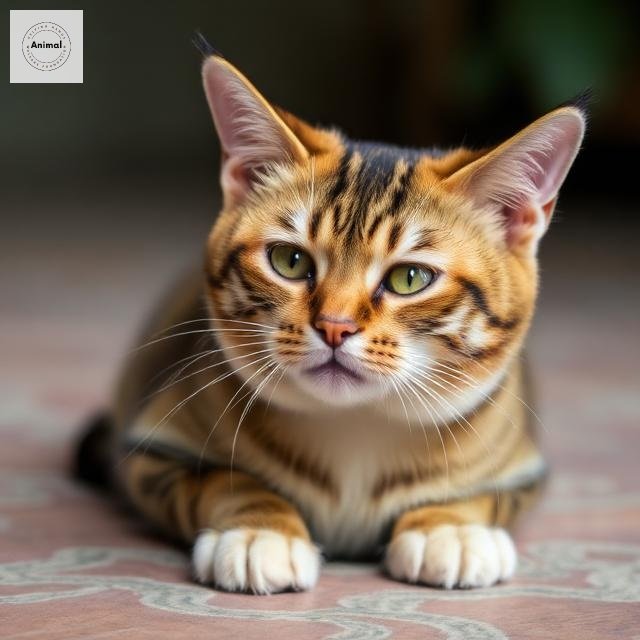
Helping your cat manage fear and anxiety requires patience, understanding, and a supportive environment. By recognizing the causes and signs of anxiety and implementing calming strategies, you can greatly improve your cat’s quality of life. Remember that each cat is unique—what works for one may not work for another—so be attentive and flexible in your approach.
Providing love, consistency, and safe spaces will help your feline companion feel secure and confident, strengthening your bond and ensuring a happier, healthier life together.
#HelpingHandsAnimalWelfare #AnimalWelfare #AnimalRescue #VoicelessAnimals #AnimalNGO #AnimalCare #SaveAnimals #AnimalLovers #KindnessToAnimals #DogCare #DogRescue #StreetDogs #StrayDogs #DogLovers #FeedStreetDogs #DogAdoption #DogsOfIndia #RescueDogs #BeKindToDogs #CatCare #CatRescue #StrayCats #StreetCats #CatLovers #FeedStrayCats #CatAdoption #CatsOfIndia #RescueCats #BeKindToCats #MumbaiAnimals #MumbaiAnimalRescue #IndiaAnimalRescue #AnimalWelfareIndia #MumbaiNGO #SupportAnimalRescue #Donation #jevdaya #Donationforvoiceless