How Frequently Should You Groom Your Cat? Differences Between Short-Haired and Long-Haired Cats
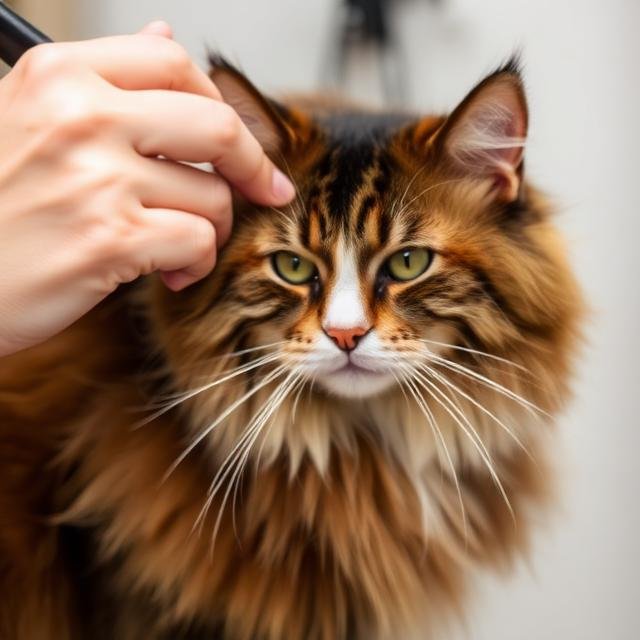
Grooming is an essential aspect of keeping your cat healthy, comfortable, and looking their best. However, the frequency and type of grooming your feline friend requires largely depend on the length and texture of their coat. Short-haired cats and long-haired cats have very different grooming needs, and understanding these differences will help you establish an effective routine that suits your pet’s specific requirements.
Why Is Grooming Important for Cats?
Cats are known for their self-grooming habits, using their tongues to clean their fur and remove dirt and loose hairs. However, even the most diligent groomers can benefit from human assistance. Regular grooming helps to:
- Remove loose fur and reduce shedding
- Prevent hairballs caused by ingesting loose fur
- Detect skin issues, parasites, or injuries early
- Prevent mats and tangles, especially in long-haired cats
- Stimulate blood circulation and distribute natural oils
- Strengthen the bond between you and your cat
While cats groom themselves daily, they often need help managing excess fur and maintaining a healthy coat, especially if they have longer hair or certain health conditions.
Grooming Needs of Short-Haired Cats
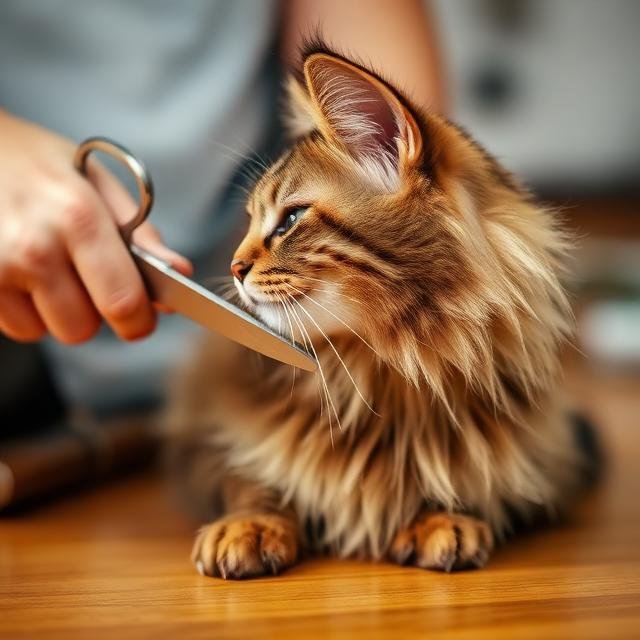
Short-haired cats have a sleek, close-lying coat that generally requires less maintenance than long-haired breeds. Their fur is shorter and less prone to tangling or matting, which means fewer grooming sessions are needed.
How Often to Groom Short-Haired Cats?
For most short-haired cats, grooming once a week is sufficient to keep their coat healthy and minimize shedding. Weekly brushing helps remove loose fur and dirt, distribute natural oils, and keep the skin healthy. During seasonal shedding peaks, typically in spring and fall, increasing grooming frequency to two or three times a week can help manage the additional fur and reduce hair around your home.
Best Tools for Short-Haired Cats
Brushing a short-haired cat with a rubber curry brush, grooming glove, or bristle brush works well to remove loose hairs and stimulate the skin. These tools are gentle and effective for their smoother coat texture.
Additional Grooming Tips
- Be gentle and patient, especially if your cat is not used to grooming.
- Check for fleas, ticks, or skin abnormalities during grooming sessions.
- Trim your cat’s nails and clean their ears regularly as part of the grooming routine.
Grooming Needs of Long-Haired Cats
Long-haired cats have thick, dense coats that require much more frequent grooming to prevent tangles and mats. Their fur is prone to becoming knotted, especially around the neck, belly, and behind the ears. Mats can be painful and lead to skin infections if not addressed promptly.
How Often to Groom Long-Haired Cats?
Long-haired cats benefit from daily brushing to keep their coats free of tangles and mats. Consistent grooming also helps reduce hairballs by removing loose fur before your cat can ingest it during self-grooming. If daily grooming isn’t possible, aim for at least four to five times per week.
Best Tools for Long-Haired Cats
To effectively groom a long-haired cat, use a combination of tools:
- Wide-toothed comb:
Helps gently detangle knots and mats without pulling.
- Slicker brush:
Removes loose fur and undercoat effectively.
- Pin brush:
Suitable for finishing and smoothing the fur.
Regularly check for mats during grooming, and carefully work through them to avoid hurting your cat. For severe mats, professional grooming assistance may be necessary.
Additional Grooming Tips
- Be patient and calm, offering treats and praise to make grooming a positive experience.
- Keep grooming sessions manageable in length, especially if your cat is nervous or restless.
- Consider professional grooming appointments during shedding seasons or if your cat develops severe mats.
Special Considerations for All Cats
Age and Health
Senior cats or those with health issues may groom less effectively and require more frequent assistance. Cats with arthritis, obesity, or dental problems might struggle to reach certain areas, making grooming help essential for their comfort and hygiene.
Seasonal Shedding
Shedding increases during spring and fall as cats adjust their coats for changing temperatures. During these times, both short-haired and long-haired cats benefit from more frequent grooming to manage loose fur and reduce shedding around the home.
When to Seek Professional Help
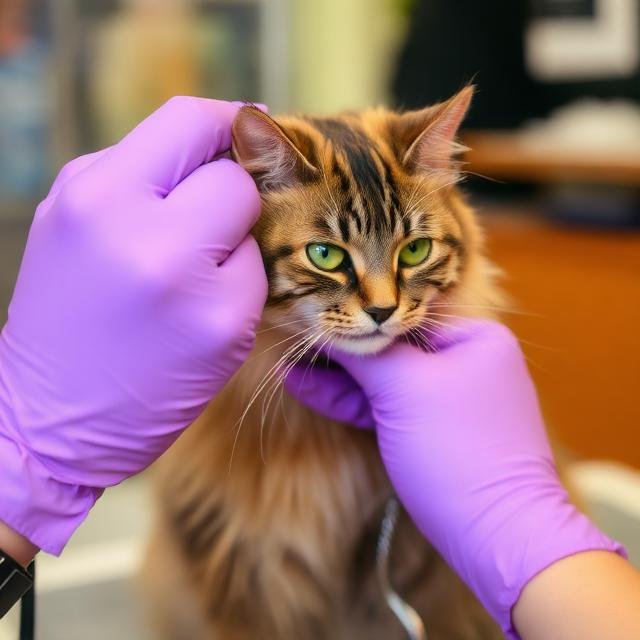
If your cat is severely matted, extremely uncooperative, or shows signs of skin problems, it’s best to consult a professional groomer or veterinarian. Grooming professionals have the tools and experience to safely handle difficult grooming situations.
Conclusion
How often you should groom your cat depends largely on their coat length. Short-haired cats typically require weekly grooming, while long-haired cats benefit from daily sessions to keep their fur healthy and mat-free. Regular grooming not only keeps your cat comfortable and reduces shedding but also helps you monitor their health and strengthen your bond. By using the right tools and techniques tailored to your cat’s coat type, you can make grooming a positive and beneficial experience for both you and your feline friend.
Remember, grooming is more than just a beauty routine—it’s a vital part of your cat’s overall care and wellbeing.