
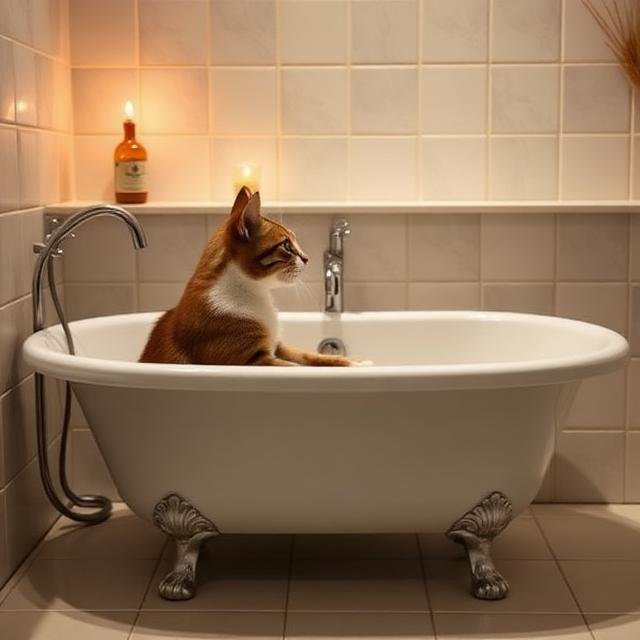
Is It Okay to Give Baths to Cats?
Cats are known for their meticulous grooming habits, often spending a significant portion of their day cleaning themselves. This natural self-grooming usually keeps them clean and healthy without the need for human intervention. However, many cat owners wonder if it’s okay to give their cats baths and under what circumstances it might be necessary. Bathing a cat can be a daunting task, but with the right knowledge and preparation, it can be done safely and effectively. This article explores the question, “Is it okay to give baths to cats?” and provides a comprehensive guide on when and how to bathe your feline friend.
Do Cats Need Baths?
Generally, cats do not require regular baths. Their tongues are specially designed with tiny barbs that help remove dirt, loose fur, and parasites from their coats. Cats also produce natural oils that keep their fur healthy and shiny. For most indoor cats, regular grooming and occasional brushing are sufficient to maintain cleanliness and reduce shedding.
However, there are certain situations where giving a cat a bath becomes necessary:
- Dirty or Sticky Coat:
If your cat gets into something sticky, greasy, or toxic like paint, oil, or chemicals, a bath is essential to remove the substance safely.
- Fleas or Parasites:
While flea treatments are often topical or oral, a bath with flea shampoo may be recommended by a vet in some cases.
- Skin Conditions:
Certain skin infections or allergies might require medicated baths as prescribed by a veterinarian.
- Senior or Overweight Cats:
Some cats with mobility issues may struggle to groom themselves properly and benefit from occasional baths.
- Show Cats:
Cats that participate in shows may need baths to maintain their coat’s appearance.
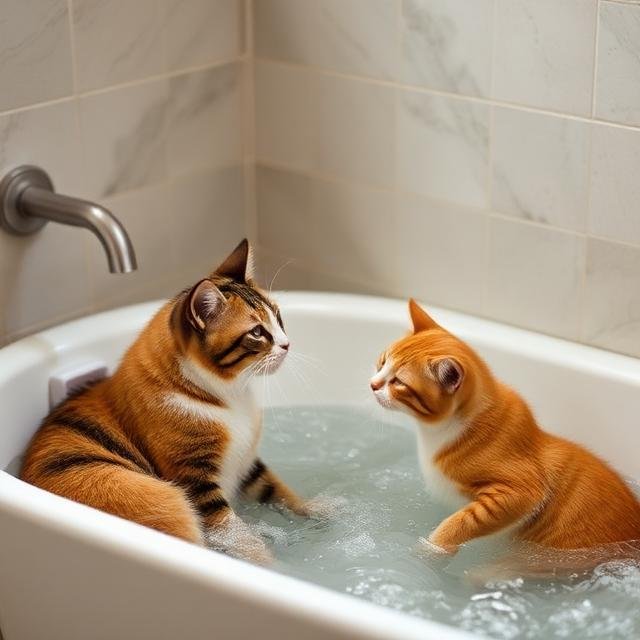
When Not to Bathe Your Cat
If your cat is healthy, regularly groomed, and free of skin problems, frequent baths are unnecessary and could even be harmful. Over-bathing can strip away the natural oils in your cat’s fur, leading to dry, itchy skin and an increased risk of irritation. Additionally, many cats find bathing stressful, which can affect their overall wellbeing.
How to Bathe Your Cat Safely
If a bath is necessary, preparation and patience are key to making the experience as stress-free as possible for both you and your cat.
1. Gather Supplies in Advance
Prepare everything before bringing your cat to the bathing area. You’ll need a cat-specific shampoo (never use human shampoo), a cup or spray nozzle for rinsing, a towel, and a non-slip mat for the sink or tub. Having everything ready helps the process go smoothly and quickly.
2. Use Lukewarm Water
Fill the tub or sink with a few inches of lukewarm water—too hot or too cold water can make your cat uncomfortable and increase stress.
3. Brush Your Cat Before Bathing
Remove loose fur and mats beforehand to reduce shedding and tangling during the bath.
4. Keep Calm and Gentle
Speak softly and gently to reassure your cat. Handle them calmly but securely to prevent sudden movements or escapes.
5. Wet Carefully and Shampoo Thoroughly
Using your hand or a cup, gently wet your cat’s fur, avoiding the head and ears. Apply the cat shampoo according to the instructions, lathering gently. Be cautious around sensitive areas like eyes and ears.
6. Rinse Completely
Thorough rinsing is critical to remove all soap residue, which can irritate the skin if left behind.
7. Dry Your Cat
Wrap your cat in a warm towel and gently pat dry. You can use a hairdryer on the lowest setting if your cat tolerates the noise, but many cats prefer towel drying.
Tips to Reduce Bathing Stress
- Keep baths infrequent unless medically necessary.
- Use treats and positive reinforcement before, during, and after the bath.
- Ask for help from another person to hold and comfort your cat if needed.
- Consider professional grooming services for difficult cats.
Alternatives to Bathing
If your cat dislikes water, consider these alternatives:
- Spot Cleaning:
Use pet-safe wipes or a damp cloth to clean dirty areas.
- Dry Shampoo:
There are cat-safe dry shampoos that absorb oils and dirt without water.
- Regular Brushing:
Frequent brushing helps remove dirt and loose fur and reduces the need for baths.
Conclusion
So, is it okay to give baths to cats? The answer is yes, but only when necessary. Most cats do not require regular bathing due to their excellent self-grooming habits. When a bath is needed, using the right techniques and products can make the experience safer and less stressful. Always prioritize your cat’s comfort and health, and consult your veterinarian if you are unsure about bathing or if your cat has specific health concerns. With care and patience, bathing your cat can be manageable and beneficial when done appropriately.
CatBath #CatGrooming #CatCare #PetCare #CatLovers #PetGrooming #HealthyCats #CatHygiene #KittenCare #IndoorCats #HappyCats #PetParents #FurBaby #CatHealth #PetTips #AnimalCare #CatsOfInstagram #CatLife #PetBlog #PetAdvice