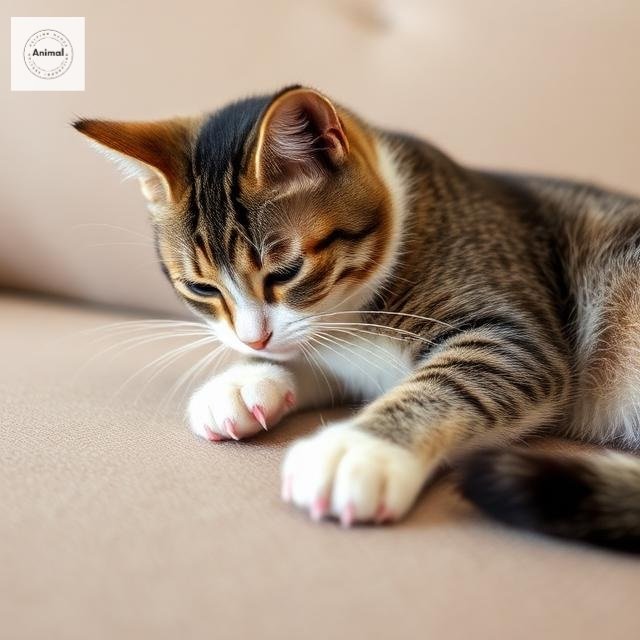
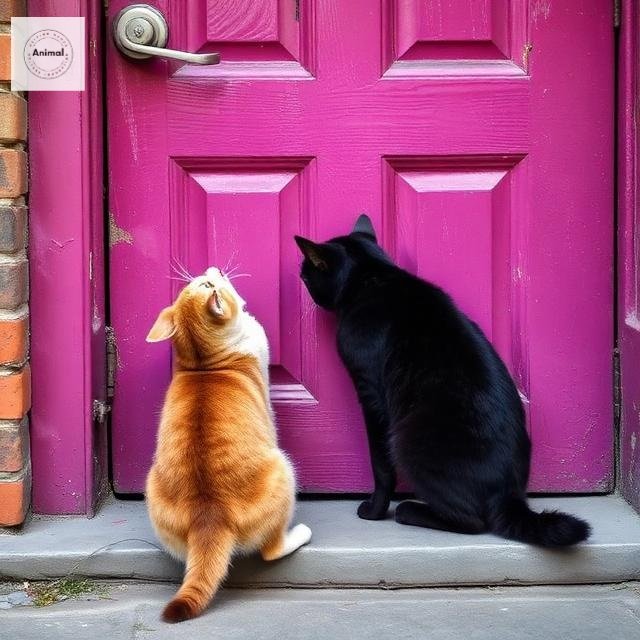
Why Do Cats Scratch? Understanding the Reasons Behind This Natural Behavior
Cats are fascinating creatures with a wide range of behaviors that can sometimes puzzle their human companions. One of the most common and instinctive behaviors in cats is scratching. Whether it’s your furniture, carpet, or even your skin, scratching is something cats naturally do. But why exactly do cats scratch, and how can you manage this behavior in a way that respects their needs while protecting your home? In this article, we’ll explore the reasons behind cat scratching, what it means for your feline friend, and tips for addressing it effectively.
The Natural Instinct: Why Cats Scratch
Scratching is an innate behavior for cats, deeply rooted in their biology and instincts. It serves several important purposes:
- Marking Territory
Cats have scent glands located in their paws. When they scratch surfaces, they release pheromones that leave a scent mark. This is a way for cats to communicate and mark their territory, signaling to other cats that the area is claimed. This behavior is especially strong in outdoor or multi-cat households but is present in all cats to some degree.
- Claw Maintenance
Scratching helps cats keep their claws healthy and sharp. By scratching, they shed the outer sheath of their claws, revealing the new, sharper claw beneath. This natural maintenance is essential for their hunting abilities and self-defense.
- Stretching and Exercise
Scratching allows cats to stretch their muscles, particularly in their front legs, shoulders, and back. This stretching provides physical exercise and helps keep their muscles flexible and strong.
- Stress Relief and Emotional Expression
Scratching can be a way for cats to relieve stress or express excitement and frustration. It is a form of emotional outlet, similar to how humans might pace or fidget.
Common Places Cats Like to Scratch
Understanding where cats prefer to scratch can help you manage their behavior better. Cats often target vertical surfaces such as:
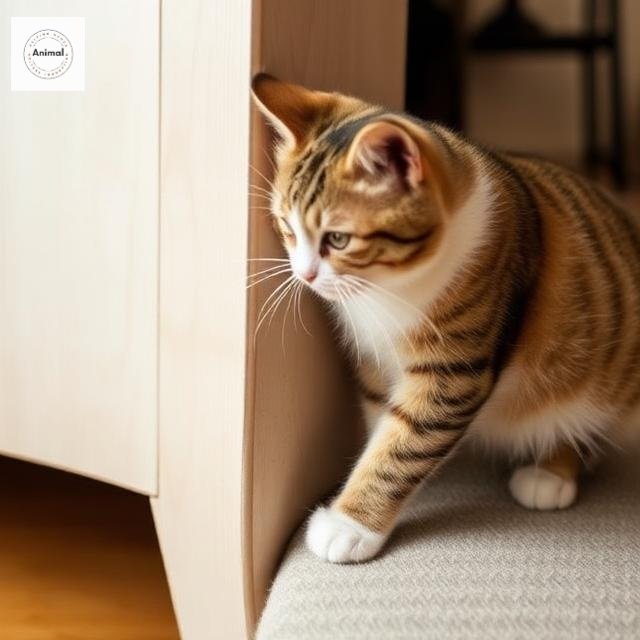
- Furniture legs and armrests
- Door frames and walls
- Carpets and rugs
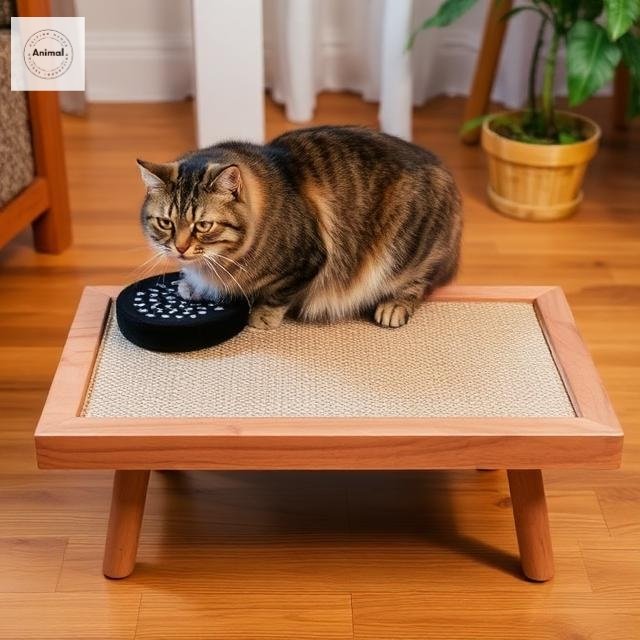
- Scratching posts or pads (if available)
These surfaces provide the right texture and resistance for cats to dig their claws in and enjoy the scratching sensation.
Why Some Cats Scratch More Than Others
While all cats scratch, some may do it more frequently or intensely due to factors such as:
- Age and Energy Level:
Kittens and young cats tend to scratch more as they are playful and energetic.
- Environment:
Cats in stressful or new environments may scratch more to relieve anxiety or mark territory.
- Multiple Cats:
In multi-cat households, scratching helps establish social hierarchy and boundaries.
How to Manage and Redirect Scratching Behavior
While scratching is natural and necessary for cats, it can be frustrating if it damages your furniture or belongings. Here are practical strategies to manage your cat’s scratching:
- Provide Appropriate Scratching Posts
Offer your cat suitable alternatives like scratching posts, pads, or trees. These should be sturdy, tall enough for full-body stretching, and covered with appealing materials such as sisal, carpet, or cardboard. Place them near areas where your cat likes to scratch and in common resting spots.
- Use Positive Reinforcement
Encourage your cat to use the scratching posts by rewarding them with treats, praise, or playtime when they scratch the appropriate surfaces. You can also use catnip or toys to attract them to the posts.
- Protect Your Furniture
Use furniture protectors, double-sided tape, or deterrent sprays on items your cat frequently scratches. Cats dislike sticky textures and certain scents, which can discourage unwanted scratching.
- Regular Claw Trimming
Keeping your cat’s claws trimmed reduces damage caused by scratching. Use proper cat nail clippers and trim every few weeks. If you’re unsure, ask your vet or groomer for guidance.
- Create a Stress-Free Environment
Reduce stressors in your cat’s environment by maintaining a consistent routine, providing hiding places, and ensuring they have plenty of stimulation through play and interaction.
- Consider Soft Paws or Nail Caps
Soft plastic nail caps can be glued to your cat’s claws to prevent damage from scratching. These caps wear off naturally and need to be replaced periodically.
When to Be Concerned About Scratching
Excessive scratching accompanied by other symptoms such as hair loss, redness, swelling, or sores may indicate medical issues like allergies, parasites, or skin infections. If you notice these signs, consult your veterinarian promptly for diagnosis and treatment.
Conclusion
Scratching is a natural, healthy behavior that fulfills several important functions for your cat, from territory marking to claw maintenance and emotional release. Understanding why cats scratch helps you respond with patience and provide appropriate outlets for this instinctive action. By offering suitable scratching options, protecting your belongings, and using positive reinforcement, you can manage scratching behavior effectively while respecting your cat’s needs.
Remember, scratching is not just a nuisance—it’s a vital part of how cats communicate and care for themselves. Embracing this behavior with the right strategies will lead to a happier cat and a more harmonious home environment.
#HelpingHandsAnimalWelfare #AnimalWelfare #AnimalRescue #VoicelessAnimals #AnimalNGO #AnimalCare #SaveAnimals #AnimalLovers #KindnessToAnimals #DogCare #DogRescue #StreetDogs #StrayDogs #DogLovers #FeedStreetDogs #DogAdoption #DogsOfIndia #RescueDogs #BeKindToDogs #CatCare #CatRescue #StrayCats #StreetCats #CatLovers #FeedStrayCats #CatAdoption #CatsOfIndia #RescueCats #BeKindToCats #MumbaiAnimals #MumbaiAnimalRescue #IndiaAnimalRescue #AnimalWelfareIndia #MumbaiNGO #SupportAnimalRescue